
Medical insurance plus routine care

Choose wellness benefits that fit the care

Compare a scheduled allowance, a flexible membership and a state-specific preventive option by how the benefits can actually be used.

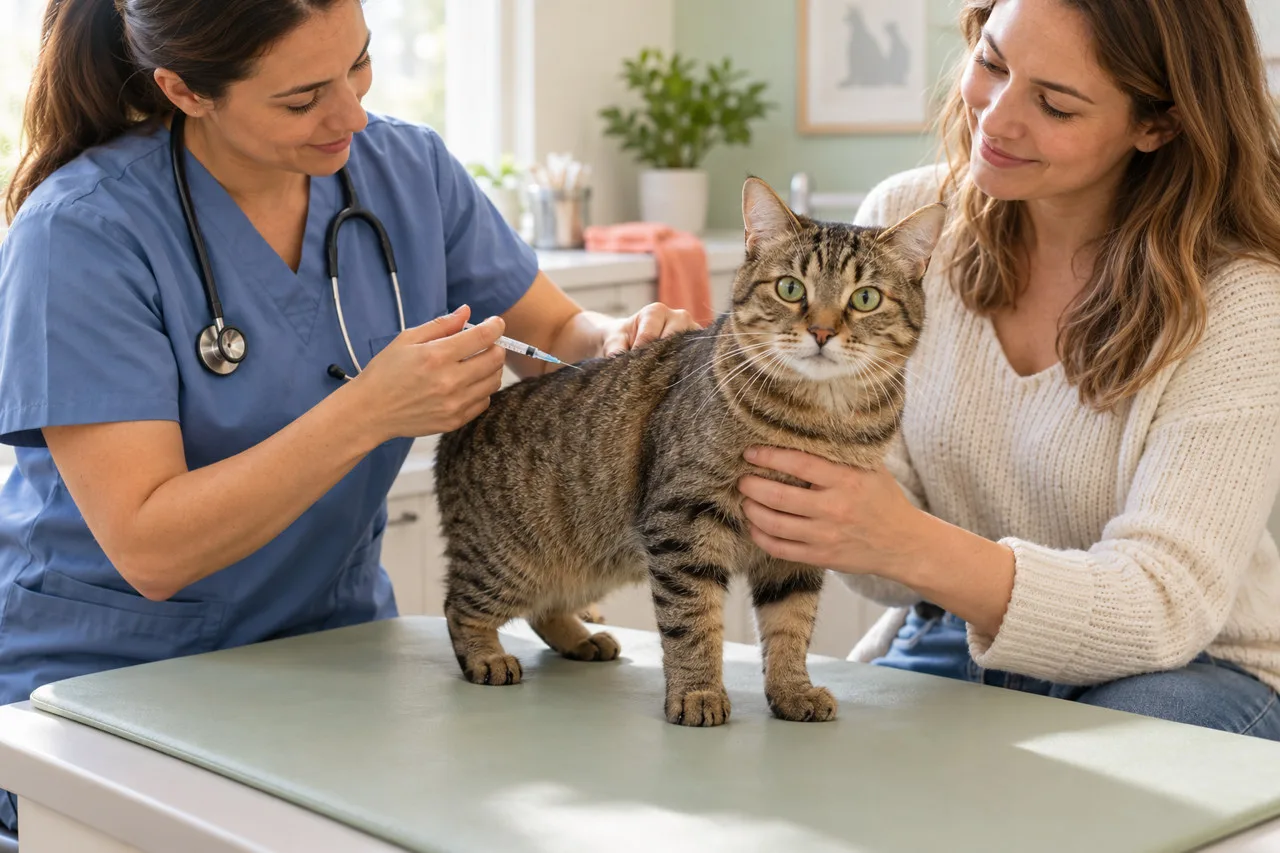
Veterinary professional examining a tabby cat with its owner nearby
✓ Policy-first ✓ Independent ✓ Useful checks
Direct answer
The best insurance-and-wellness choice depends on the routine services your pet needs and the medical policy underneath. Compare benefit allocation, usable services and commitment terms rather than declaring one universal winner.
Compare

Define the comparison before reading the brand names

Criterion Why it can change the choice
Allocation Can you use the benefit where your spending occurs, or is money divided into service-specific boxes?
Service and frequency Does the exact exam, vaccine or test qualify, and how often?
Purchase relationship Must you hold a base medical policy, and is the wellness product insurance or a separate arrangement?
Unused and exit terms Can unused value disappear, and could ending early leave a balance?

Use your veterinarian’s care recommendations and an estimate of the services you would obtain anyway. Do not add unnecessary care to make a package appear valuable. First ensure the medical policy is acceptable; a useful routine benefit should not distract from a serious illness-coverage gap.

Coverage

ASPCA Pet Health Insurance: a scheduled-benefit approach

Its Basic and Prime preventive options attach to a base plan and reimburse eligible listed services up to scheduled amounts. The official description separates these benefits from the medical deductible.

Best-fit reason to investigate: your expected care is spread across the listed services and the available amounts match that care reasonably well. The limitation is allocation. A benefit attached to one service should not be counted as spare money for another unless the schedule expressly allows it.

Ask for the exact offered schedule, then mark each line as likely usable, uncertain or not needed. An attractive total of all possible benefits is not your expected reimbursement. Confirm the selected option; the two names do not mean identical services.

What to know

Embrace Wellness Rewards: flexibility with a commitment

Embrace’s terms describe Wellness Rewards as a non-insurance membership, separate from accident-and-illness cover. They say unused annual value does not roll over or receive a refund, and that early cancellation after using more than paid membership dues may leave an outstanding balance.

Best-fit reason to investigate: flexibility across eligible routine spending is important to you, and you understand the full membership commitment. The limitation is that using benefits early is not the same as receiving free money. Read how cancellation and the unpaid balance work before treating the arrangement as a short-term purchase.

Ask for the actual eligible-service list and annual funds for your offered plan. A broad allowance is useful only for permitted spending that you genuinely expect; it does not convert a medical exclusion into an insured illness.

Coverage

Current insurer: identify the state version and benefit unit

Its current product FAQ describes Routine Vet Care and Routine Vet Care Plus, with some Life Essentials and dental-related features varying by state. The specific offer, not a remembered package name, determines which choices you can select.

Best-fit reason to investigate: the offered services and visit or vaccine structure match the pet’s care plan and you prefer to arrange them alongside medical insurance. The limitation is version uncertainty. An “unlimited” count in a product description should not be read as unlimited reimbursement for every related charge.

Ask about the benefit unit, any dollar restriction, eligible provider, selected dental option and effect of the medical policy’s cancellation. Keep those answers beside the actual price. Do not assume a pet in another state has the same menu.

Quotes

A concentrated care bill can reverse the apparent winner

Owner using a laptop beside a cat
Compare benefits with care you would obtain anyway, rather than adding care to use an allowance.

Imagine two hypothetical routine-care arrangements with the same annual purchase cost. One divides benefits among several services; the other permits eligible spending from one pool. If your pet needs mainly one expensive eligible service, the pool may be more usable. If the service is excluded from that pool, the apparent advantage disappears.

Conversely, a schedule may fit a predictable set of checkups, vaccines and tests well. The decision depends on the distribution of necessary care, not simply the largest advertised annual total. Check frequency restrictions as well as dollars.

Finish with a conditional conclusion: which design fits, which service could change that conclusion, and what the full-term obligation is. No personalized prices, claim-speed trial or exhaustive market ranking was collected here. Paying routine costs directly remains a valid comparison when none of the offered benefits fits.

Evidence

Sources and policy context

These public references support the consumer or veterinary context. Named insurer details were checked in official product materials; the policy offered for your pet and state determines the actual terms.

Next step

Compare Current Pet Insurance Rates

Check current options for your pet and location, then compare the policy details, exclusions, costs, and eligibility before choosing.

Compare the policy before you choose Check the actual offer, exclusions and out-of-pocket terms.
See Rate Options